Sustainable Roofing Options: Exploring Thatch as a Renewable Tradition
Thatch roofing, a time-honored technique, offers a sustainable and aesthetically pleasing option for homeowners looking to enhance their outdoor spaces. This article delves into the numerous advantages of natural thatch roofing, its traditional installation methods, and essential maintenance tips. As the demand for eco-friendly building materials rises, understanding the benefits of thatch can help homeowners make informed decisions about their roofing options. The Tiki Hut Company specializes in providing thatch roof covers designed to transform outdoor spaces by bringing a resort-like ambiance to residential environments. We will explore the eco-friendly benefits of thatch, the craftsmanship involved in its installation, and practical care tips to ensure longevity.
What Are the Advantages of Natural Thatch Roofing?
Natural thatch roofing offers several compelling advantages that make it a preferred choice for sustainable building.
Eco-Friendliness: Thatch is made from renewable materials, such as reeds and grasses, which are biodegradable and have a minimal environmental impact.
Aesthetic Appeal: The unique texture and color of thatch roofs provide a charming, rustic look that enhances the beauty of any home.
Insulation Properties: Thatch roofs offer excellent insulation, keeping homes cooler in summer and warmer in winter, which can lead to energy savings.
The following table summarizes the key benefits of natural thatch roofing:
Benefit
Description
Impact Level
Eco-Friendliness
Made from renewable, biodegradable materials
High
Aesthetic Appeal
Unique texture enhances home beauty
High
Insulation Properties
Excellent thermal insulation
Medium
These advantages highlight why thatch roofing is not only a beautiful choice but also a responsible one for environmentally conscious homeowners.
How Does Thatch Provide Sustainable and Eco-Friendly Benefits?
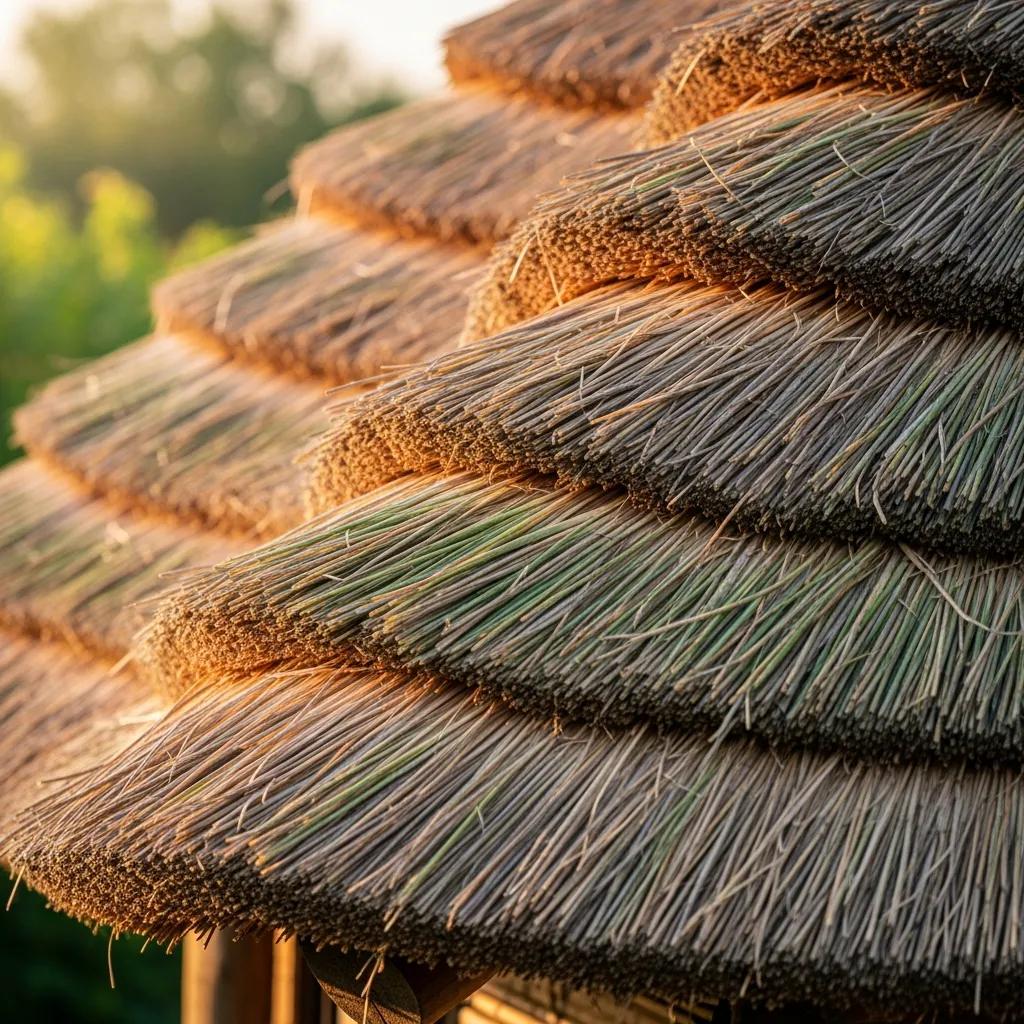
Thatch roofing is inherently sustainable due to its use of natural materials that are sourced responsibly. The primary materials, such as water reed and straw, are renewable and can be harvested without depleting resources. Additionally, thatch roofs are biodegradable, meaning they will not contribute to landfill waste at the end of their life cycle. This eco-friendly approach aligns with the growing trend towards sustainable building practices, making thatch an attractive option for modern homeowners.
What Makes Thatch Durable and Authentic Compared to Other Materials?
Thatch roofing is known for its durability, often lasting over 25 years with proper maintenance. Its natural composition allows it to withstand various weather conditions, including heavy rain and wind. Unlike synthetic materials, thatch provides an authentic look that enhances the character of a home. The craftsmanship involved in thatching ensures that each roof is unique, reflecting the skill and artistry of the thatcher. This authenticity is a significant draw for homeowners seeking to maintain traditional aesthetics while benefiting from modern sustainability.
Which Traditional Thatching Methods Are Used for Quality Roof Covers?
Traditional thatching methods have been refined over centuries, ensuring high-quality roofs that stand the test of time.
Historical Techniques: Techniques such as the “long straw” method involve layering thatch in a way that maximizes water runoff and minimizes leaks.
Materials Used: High-quality materials, including water reed and wheat straw, are selected for their durability and insulation properties.
Craftsmanship Involved: Skilled craftsmen use their expertise to create roofs that are not only functional but also visually appealing.
What Are the Key Techniques in Handcrafted Thatch Roof Installation?
The installation of a thatch roof requires meticulous attention to detail and a deep understanding of traditional techniques. Key steps include:
Preparation of the Roof: Ensuring the roof structure is sound and ready to support the thatch.
Layering Techniques: Applying thatch in layers to create a waterproof barrier, with each layer carefully secured.
Finishing Touches: Adding decorative elements and ensuring the roof is aesthetically pleasing while maintaining functionality.
How Do Skilled Craftsmen Ensure Resort-Style Outdoor Roofing?
Craftsmanship is at the heart of thatch roofing. Skilled thatchers pay close attention to detail, ensuring that each roof not only meets functional requirements but also enhances the overall design of the home. They consider factors such as the roof’s pitch, the type of thatch used, and the integration of decorative elements. This level of craftsmanship is what sets thatch roofing apart, providing a resort-style ambiance that many homeowners desire.
How to Install a Thatch Roof: Step-by-Step Guide for Homeowners
Installing a thatch roof can be a rewarding project for homeowners willing to invest the time and effort.
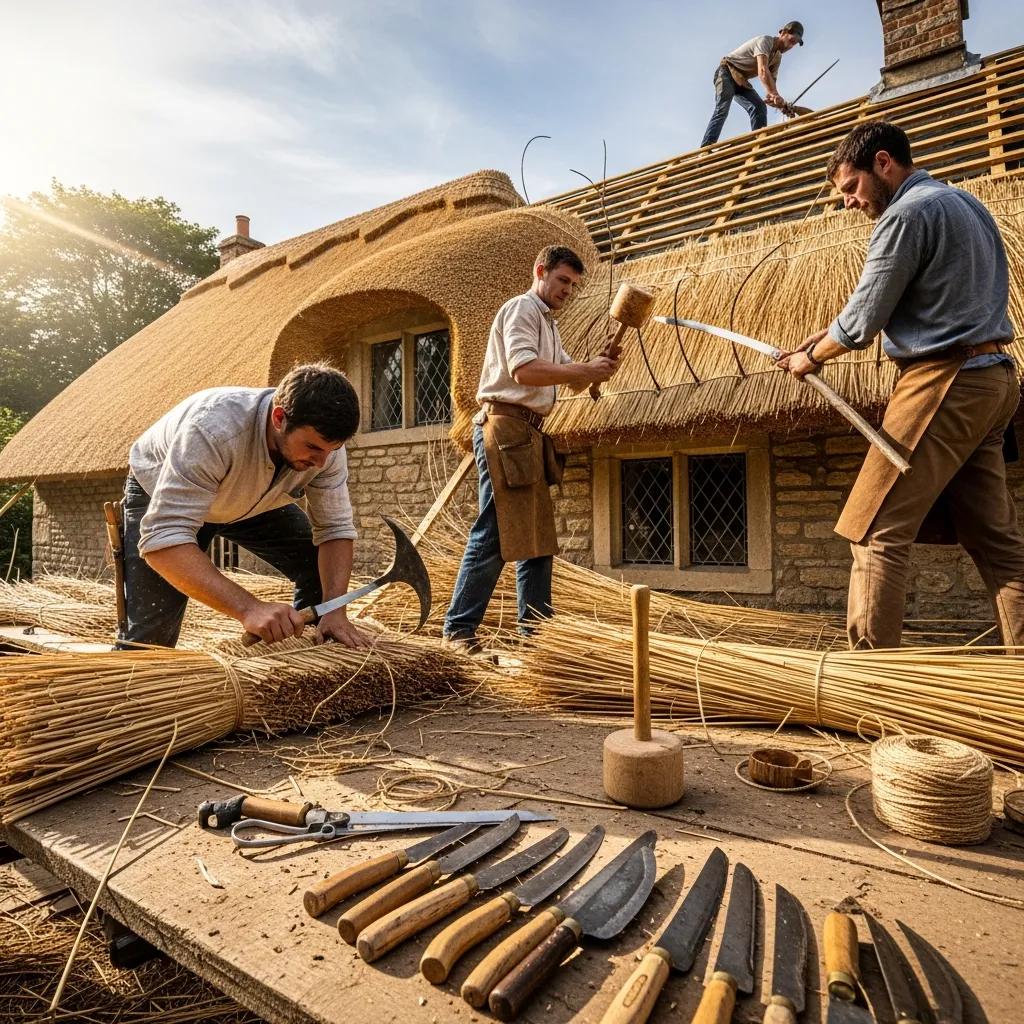
Essential Materials and Tools Needed for Installation: Homeowners will need high-quality thatch, a sturdy framework, and tools such as a thatching knife and securing twine.
Installation Steps: The process involves preparing the roof, layering the thatch, and securing it properly to ensure durability.
Safety Precautions: It is crucial to follow safety guidelines, including using proper scaffolding and protective gear during installation.
What Are the Essential Materials and Tools Needed for Installation?
To successfully install a thatch roof, homeowners should gather the following materials and tools:
Types of Thatch: Choose between water reed, wheat straw, or long straw based on aesthetic preference and local availability.
Tools Required: Essential tools include a thatching knife, hammer, and securing twine for fastening the thatch.
Safety Gear: Use helmets, gloves, and non-slip footwear to ensure safety during the installation process.
Which Best Practices Ensure Long-Lasting Thatch Roof Performance?
Maintaining a thatch roof is essential for its longevity. Best practices include:
Regular Inspections: Schedule inspections at least once a year to check for damage or wear.
Cleaning Techniques: Remove debris and moss to prevent moisture retention, which can lead to decay.
Repair Methods: Address any damage promptly to avoid more extensive repairs in the future.
What Are the Best Thatch Roof Care Tips to Maintain Longevity?
Proper care is vital to ensure the longevity of thatch roofs. Homeowners should follow these care tips:
Inspection Frequency: Inspect the roof at least once a year, ideally in spring and fall, to catch any issues early.
Cleaning Methods: Use a soft brush to remove debris and prevent moss growth, which can trap moisture.
Repair Tips: Address any loose or damaged thatch immediately to maintain the roof’s integrity.
How Often Should Thatch Roofs Be Inspected and Maintained?
Regular inspections are crucial for maintaining the health of a thatch roof. Homeowners should aim for annual inspections, focusing on the condition of the thatch and checking for signs of wear or damage. Seasonal changes can impact the roof’s integrity, making these inspections essential for long-term performance.
What Are Effective Maintenance Techniques to Preserve Natural Roofing?
To preserve the natural beauty and functionality of thatch roofing, homeowners should implement effective maintenance techniques. Regular cleaning, prompt repairs, and seasonal inspections will help maintain the roof’s integrity and extend its lifespan. By following these practices, homeowners can enjoy the benefits of thatch roofing for many years to come.
roof, thatch, thatching, chimney, reed, straw, lawn, soil, clay, dethatching lawn, dethatching, tiki umbrella, grass dethatcher, lawn thatchers, best lawn dethatcher, tiki thatch, palapa umbrella, liquid dethatcher, synthetic thatch, thatching grass, palm thatch, thatching material, remove thatch, technology, wind, health, renewable energy, dam, heat, fossil fuel, effects of climate change, photovoltaic power station, fuel, geothermal power, hydroelectricity, wind power, solar power, power station, energy development, climate change, solar energy, greenhouse gas emissions, photovoltaics, wind farm, sustainable energy, wind turbine, energy security, air pollution, environmental issues, climate change mitigation, natural resource, natural gas, climate, biofuel, plant, world energy supply and consumption, windmill, photovoltaic system, electrical grid, energy storage, energy transition, hydropower, biomass, earth, coal, fossil fuel power station, greenhouse gas, tidal power, solar cell, international renewable energy agency, heating system, innovation, air conditioning, oil, ocean, biodiversity, carbon, water wheel, solar thermal energy, infrastructure, bioenergy, geothermal energy, waste, primary energy, national renewable energy laboratory, water, variable renewable energy, river, reservoir, fossil, district heating, biodiesel, maize, vehicle, solar, states, sunlight, carbon dioxide, farm, greenhouse, ethanol, sustainability, grain, passive solar building design, floating solar, pump, resource, hydrogen, policy, distributed generation, consumption, efficient energy use, carbon footprint, civilization, management, wood, emerging technologies, solar thermal collector, heat pump, energy, cost, energy mix, economy, world resources institute, lead, netherlands, tidal stream generator, biogas, recycling, energy crisis, energy consumption, organic matter, tax, energy industry, north america, ethanol fuel, sustainable development, energy crop, ember, net metering, ireland, wind speed, evolution, first solar, trade, energy information administration, wheel, silicon, renewable energy systems, clean energy, wind energy, systems, renewable energy sources, wind energy wind, renewable energy source, energy generation, geothermal, energy sources, hydroelectric power, renewable energy technologies, renewable, world, radiation, tiki bar, chickee, south florida
Frequently Asked Questions
What are the benefits of thatch roofing?
The benefits of thatch roofing include its eco-friendliness, natural insulation properties, and aesthetic appeal. Thatch is a sustainable material that enhances outdoor spaces while providing durability and a unique, traditional look for homes.
How is thatch roofing installed?
Thatch roofing installation involves layering bundles of dried reeds or grasses on a sturdy framework. Skilled artisans secure the thatch with twine, ensuring proper alignment and water resistance for a durable, eco-friendly roofing solution.
What maintenance is required for thatch roofing?
The maintenance required for thatch roofing includes regular inspections for damage, clearing debris, and ensuring proper water drainage. Additionally, periodic re-thatching may be necessary to maintain its durability and aesthetic appeal.
What makes thatch roofing eco-friendly?
Thatch roofing is eco-friendly because it utilizes natural, renewable materials like reeds and grasses, which are biodegradable. This sustainable option helps reduce carbon footprints and promotes biodiversity, making it an environmentally responsible choice for homeowners.
How long does thatch roofing last?
Thatch roofing typically lasts between 15 to 30 years, depending on the quality of materials used and maintenance practices. Proper care can significantly extend its lifespan, making it a durable and sustainable roofing option.
Can thatch roofing withstand harsh weather?
Thatch roofing can withstand harsh weather conditions when properly installed and maintained. Its natural materials are resilient, allowing it to endure heavy rain, wind, and even snow while providing excellent insulation and protection for your outdoor space.
What materials are used in thatch roofing?
The materials used in thatch roofing primarily include natural grasses, reeds, and palm leaves. These eco-friendly options provide excellent insulation and durability, making them ideal for sustainable roofing solutions.
How does thatch roofing compare to shingles?
Thatch roofing compares to shingles in that it offers a more sustainable and eco-friendly option, providing natural insulation and a unique aesthetic. While shingles are durable and low-maintenance, thatch can be more renewable and visually striking for outdoor spaces.
Is thatch roofing suitable for all climates?
Thatch roofing is suitable for various climates, particularly in warm, dry regions. However, it may require additional maintenance in areas with heavy rainfall or snow to ensure durability and prevent mold growth.
What are the aesthetic benefits of thatch roofing?
The aesthetic benefits of thatch roofing include its natural, rustic appearance that enhances the charm of outdoor spaces. It blends seamlessly with various landscapes, providing a warm, inviting atmosphere while promoting an eco-friendly aesthetic.
How is thatch roofing installed on a home?
Thatch roofing is installed on a home by first securing a sturdy framework, followed by layering bundles of natural thatch material, which are tightly bound to create a waterproof barrier, ensuring durability and aesthetic appeal.
What tools are needed for thatch installation?
The tools needed for thatch installation include a sharp knife for cutting, a hammer for securing, and a staple gun for fastening the thatch to the framework. Additionally, safety gear such as gloves and goggles is recommended.
How do you maintain thatch roofing effectively?
Effective maintenance of thatch roofing involves regular inspections for debris, ensuring proper drainage, and periodic brushing to prevent moss and algae buildup. Additionally, replacing damaged thatch and applying water-repellent treatments can enhance durability and longevity.
What pests affect thatch roofing?
Pests that affect thatch roofing include termites, beetles, and various insects that can damage the natural materials. Regular inspections and maintenance can help mitigate these issues and prolong the lifespan of your thatch roof.
How often should thatch roofing be inspected?
Thatch roofing should be inspected at least once a year, ideally before the rainy season, to ensure its integrity and address any potential issues early. Regular inspections help maintain its durability and aesthetic appeal.
Can thatch roofing be repaired easily?
Thatch roofing can be repaired easily. Minor damages, such as missing or worn-out thatch, can typically be addressed by replacing individual sections, ensuring the roof remains functional and aesthetically pleasing. Regular maintenance can further simplify these repairs.
What are the costs associated with thatch roofing?
The costs associated with thatch roofing include materials, installation, and maintenance. Typically, high-quality thatch can be more expensive upfront, but its durability and sustainability can lead to long-term savings for homeowners.
How does thatch roofing contribute to energy efficiency?
Thatch roofing contributes to energy efficiency by providing excellent insulation, helping to regulate indoor temperatures. This natural material keeps homes cooler in the summer and warmer in the winter, reducing reliance on heating and cooling systems.
What are common misconceptions about thatch roofing?
Common misconceptions about thatch roofing include the belief that it is outdated, overly fragile, and prone to fire hazards. In reality, modern thatch is durable, sustainable, and treated for fire resistance, making it a viable roofing option for contemporary homes.
How does thatch roofing enhance outdoor spaces?
Thatch roofing enhances outdoor spaces by providing a natural, rustic aesthetic that blends seamlessly with the environment. Its eco-friendly materials create a warm and inviting atmosphere, making outdoor areas more appealing and enjoyable for homeowners and guests alike.
What are the historical uses of thatch roofing?
The historical uses of thatch roofing include providing shelter in various cultures, particularly in tropical and temperate regions, where it served as an effective, renewable roofing material for homes, barns, and community structures for centuries.
How is thatch sourced sustainably?
Thatch is sourced sustainably by harvesting natural materials like reeds and grasses from managed wetlands and fields, ensuring that these resources are replenished and not overexploited, thus maintaining ecological balance and supporting local ecosystems.
What are the fire safety considerations for thatch?
The fire safety considerations for thatch include using fire-retardant treatments, maintaining proper distance from heat sources, and ensuring regular maintenance to minimize flammable debris accumulation. These measures enhance the safety of thatch roofing in residential settings.
How does thatch roofing impact property value?
Thatch roofing can positively impact property value by enhancing aesthetic appeal and promoting eco-friendliness, attracting environmentally conscious buyers. Its unique charm and sustainable qualities often make properties more desirable in the real estate market.
What are the installation challenges of thatch roofing?
The installation challenges of thatch roofing include the need for skilled labor, proper structural support, and weather considerations. Additionally, ensuring a tight seal to prevent water infiltration can be complex, requiring careful attention during the installation process.
How can homeowners choose the right thatch type?
Homeowners can choose the right thatch type by considering factors such as climate suitability, aesthetic preferences, and durability. It's essential to research various materials and consult with professionals to ensure the best fit for their outdoor spaces.
What are the environmental benefits of thatch?
The environmental benefits of thatch include its renewable nature, as it is made from natural materials like grasses and reeds, which are biodegradable. Additionally, thatch provides excellent insulation, reducing energy consumption and promoting sustainable living.
How does thatch roofing perform acoustically?
The acoustic performance of thatch roofing is notable, as it effectively dampens sound, reducing noise from rain and wind. This natural material creates a tranquil atmosphere, enhancing the comfort of outdoor spaces.
What are the design options for thatch roofing?
The design options for thatch roofing include various styles such as traditional A-frame, curved, and flat roofs, allowing homeowners to customize aesthetics while maintaining the natural appeal and sustainability of thatch materials.
How can thatch roofing be integrated with modern architecture?
Thatch roofing can be seamlessly integrated with modern architecture by combining its natural aesthetic with contemporary design elements, such as clean lines and open spaces, creating unique outdoor areas that emphasize sustainability and harmony with the environment.
Thatch Roofing: A Comprehensive Guide for Eco-Conscious Homeowners
Thatch roofing is not just a traditional building technique; it embodies a sustainable choice for modern homeowners. This guide aims to provide an in-depth understanding of thatch roofing, covering its benefits, installation methods, maintenance practices, and how it enhances outdoor aesthetics while being environmentally friendly.
As the demand for sustainable living increases, homeowners are increasingly turning to thatch roofing as a viable option. This comprehensive guide will help you navigate the various aspects of thatch roofing, ensuring you make informed decisions that align with your eco-conscious values.
Environmental Impact of Thatch Roofing: A Sustainable Choice
The environmental impact of thatch roofing is significantly lower compared to conventional roofing materials. Made from renewable resources like reeds and grasses, thatch roofs contribute to a reduced carbon footprint and promote biodiversity in local ecosystems.
Moreover, the natural materials used in thatch roofing are biodegradable, meaning they will not contribute to landfill waste at the end of their lifecycle. This aligns with the growing trend of sustainable building practices, making thatch a responsible choice for eco-conscious homeowners.
Cost Considerations: Is Thatch Roofing Worth the Investment?
While the initial cost of thatch roofing may be higher than some conventional roofing options, the long-term benefits often outweigh the upfront investment. Thatch roofs can last for several decades with proper maintenance, providing excellent insulation that can lead to reduced energy bills.
Additionally, the aesthetic appeal of thatch can enhance property value, making it a worthwhile investment for homeowners looking to improve their outdoor spaces. Understanding the total cost of ownership, including maintenance and potential energy savings, is crucial for making an informed decision.
Choosing the Right Thatch: Types and Their Unique Benefits
There are several types of thatch available, including water reed, wheat straw, and long straw, each offering unique benefits. Water reed is known for its durability and excellent insulation properties, while wheat straw provides a lighter option that is easier to work with during installation.
Homeowners should consider their aesthetic preferences, local availability, and the specific climate conditions of their area when selecting the right type of thatch. Each type of thatch can significantly impact the overall performance and longevity of the roof.