Natural vs Synthetic Materials for a Tiki Hut Pavilion: A Guide
Tiki huts are iconic structures that evoke a sense of tropical paradise, often found in backyards, resorts, and beachside venues. Understanding the materials used in constructing a tiki hut pavilion is essential for ensuring durability, aesthetic appeal, and sustainability. This article will explore the various natural and synthetic materials that can be utilized in tiki hut construction, focusing on their properties, benefits, and environmental impacts. Readers will learn about the best wood types, the palm leaves commonly used for thatch roofing, and the advantages of synthetic materials. Additionally, we will discuss the importance of sustainable sourcing in material selection, providing insights into how these choices affect the overall construction process.
Further research emphasizes the importance of evaluating various building materials for their sustainability, encompassing both natural and synthetic options.
Sustainable Tiki Hut Materials: Natural & Synthetic Options
This chapter examines various building materials, illustrates how to evaluate their sustainability, and discusses conventional and some of the most environmentally responsible materials available. It discusses various materials commonly used in refugee shelter construction, including natural timber, bamboo, adobe bricks, clay or burnt bricks, wattle and daub reinforced mud walls, corrugated galvanized iron, plastic sheets, thatching materials, cement, cement blocks, and quarried materials.
Sustainable Materials for Shelters, B Chaki, 2025
Which Natural Wood Types Are Best for Tiki Hut Construction?
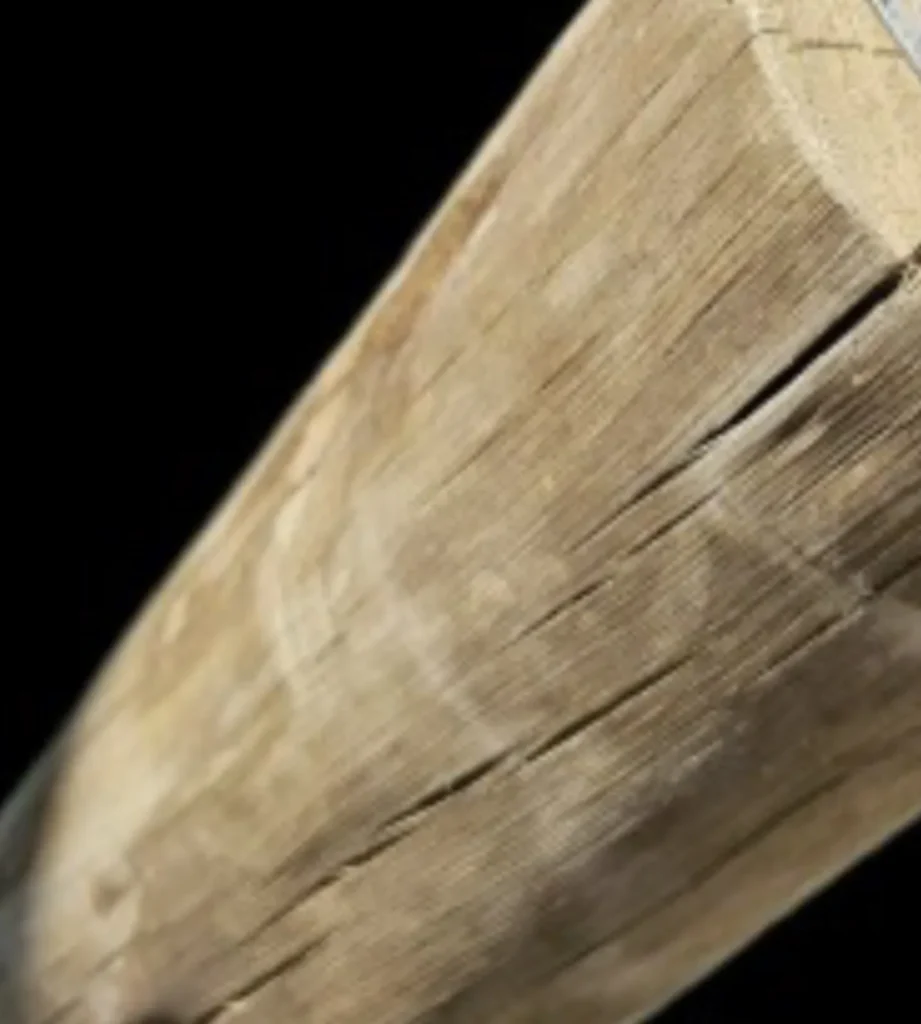
When it comes to constructing a tiki hut, the choice of wood is crucial for both structural integrity and aesthetic appeal. The best wood types for tiki hut construction include cedar, cypress, and redwood, each offering unique properties that contribute to the longevity and beauty of the structure.
What Are the Properties of Cedar, Cypress, and Redwood for Tiki Huts?
Cedar, cypress, and redwood are popular choices for tiki hut construction due to their natural resistance to decay and insects. Cedar wood is known for its aromatic properties and resistance to moisture, making it ideal for outdoor use. Cypress wood, with its natural oils, provides excellent durability and is less prone to warping. Redwood is prized for its rich color and strength, offering a beautiful finish that enhances the overall aesthetic of the tiki hut. These woods not only provide structural support but also contribute to the tropical ambiance that tiki huts are known for.
Research further supports the natural insect resistance of certain wood types, particularly cedar and redwood, against pests like termites.
Termite-Resistant Woods for Tiki Huts: Cedar & Redwood
Termites fed equally on pine and Douglas-fir, and significantly less (at least 50% less) on Alaska-cedar and redwood. Reduced feeding was accompanied by high termite mortality, indicating that the heartwood extractives of both species are toxic to termites. In choice tests, termites avoided feeding on either Alaska-cedar or redwood if Douglas-fir was also present.
Natural resistance of Alaska-cedar, redwood, and teak to Formosan subterranean termites, 1994
How Do Wood Durability and Sustainability Impact Tiki Hut Longevity?
The durability of wood directly impacts the longevity of tiki huts. Choosing sustainably sourced wood ensures that the materials are not only strong but also environmentally friendly. Sustainable practices involve harvesting wood in a way that maintains ecological balance, which is essential for preserving natural resources. Regular maintenance, such as sealing and treating the wood, can further enhance its lifespan, ensuring that the tiki hut remains a beautiful and functional outdoor space for years to come.
What Palm Leaves Are Commonly Used for Tiki Hut Thatch Roofing?
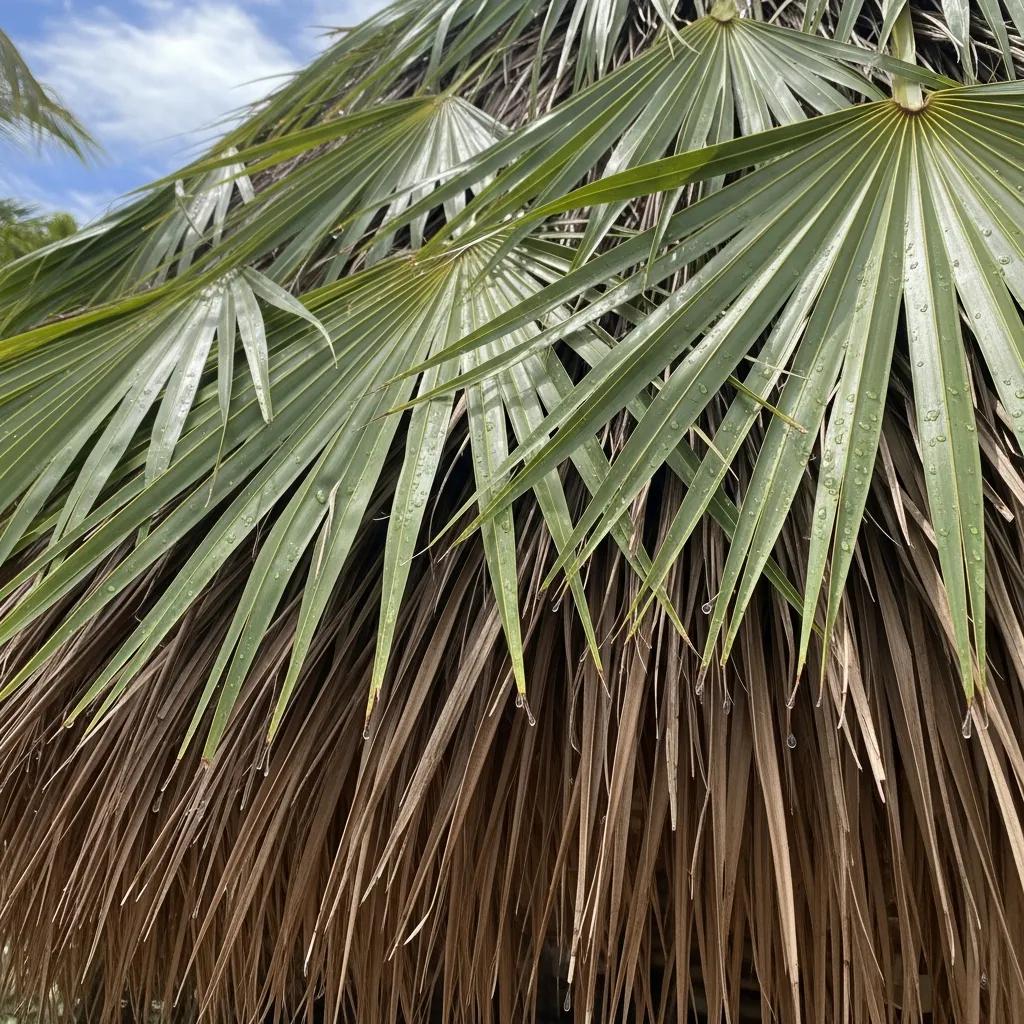
Thatch roofing is a traditional choice for tiki huts, providing a natural and rustic appearance. Commonly used palm leaves include palmetto and sugar palm leaves, both of which offer unique benefits for thatch roofing.
The historical use of natural materials like thatch and timber for structures is well-documented in ethnobotanical studies.
Traditional Thatch & Timber for Huts
Thatch for huts, timbers for boats, fibers for cordage and Perhaps seeds from plants used for thatch or food fell onto piles of
Plants, people, and culture: the science of ethnobotany, MJ Balick, 2020
How Do Palmetto and Sugar Palm Leaves Provide Natural Water Resistance?
Palmetto and sugar palm leaves are known for their natural water-resistant properties. The structure of these leaves allows them to shed water effectively, preventing leaks and moisture buildup within the hut. This natural water resistance is crucial for maintaining a dry and comfortable environment inside the tiki hut, especially in tropical climates where heavy rainfall is common.
What Is the Lifespan and Maintenance of Palm Leaf Thatch Roofs?
Palm leaf thatch roofs can last anywhere from 10 to 15 years, depending on the quality of the materials and the maintenance practices employed. Regular inspections and maintenance, such as replacing damaged leaves and ensuring proper drainage, can significantly extend the lifespan of thatch roofs. Proper care not only enhances durability but also preserves the aesthetic appeal of the tiki hut.
What Synthetic Materials Are Available for Durable Tiki Hut Roofing?
In addition to natural materials, synthetic options are becoming increasingly popular for tiki hut roofing. These materials offer several advantages, including enhanced durability and lower maintenance requirements.
How Do Synthetic Polymers Mimic Natural Palm Thatch Aesthetics?
Synthetic polymers are designed to replicate the look and feel of natural palm thatch while providing superior durability. These materials can withstand harsh weather conditions, making them an excellent choice for tiki huts in areas prone to storms or extreme temperatures. The aesthetic appeal of synthetic thatch can closely resemble that of natural materials, allowing for a seamless integration into the tropical design of the hut.
What Are the Benefits of Synthetic Roofing in Weather Resistance and Maintenance?
Synthetic roofing materials offer significant benefits in terms of weather resistance and maintenance. Unlike natural thatch, which may require frequent replacement, synthetic options are designed to last longer and resist fading, mold, and mildew. This durability translates to lower maintenance costs and less frequent repairs, making synthetic roofing a practical choice for tiki hut owners.
How Does Sustainable Sourcing Influence Tiki Hut Material Selection?
Sustainable sourcing plays a critical role in the selection of materials for tiki huts. By prioritizing eco-friendly options, builders can minimize their environmental impact while still achieving high-quality construction.
Why Is Transparency in Material Sourcing Important for Eco-Friendly Construction?
Transparency in material sourcing is essential for ensuring that the materials used in tiki hut construction are ethically harvested and environmentally friendly. Consumers are increasingly aware of the environmental impacts of their choices, and builders who prioritize sustainable practices can build trust with their clients. This commitment to sustainability not only benefits the environment but also enhances the reputation of the builders involved.
What Are the Environmental Impacts of Natural Versus Synthetic Materials?
The environmental impacts of natural and synthetic materials can vary significantly. Natural materials, when sourced sustainably, can have a lower carbon footprint and support local ecosystems. However, synthetic materials often require less maintenance and can be produced with a lower overall environmental impact. Understanding these impacts is crucial for making informed decisions about material selection in tiki hut construction.
| Wood Type | Durability | Sustainability | Aesthetic Appeal |
|---|---|---|---|
| Cedar | High | Sustainable | Aromatic, warm |
| Cypress | High | Sustainable | Rich color |
| Redwood | Very High | Sustainable | Beautiful finish |
This comparison highlights the strengths of various wood types, emphasizing the importance of choosing materials that align with both durability and sustainability goals in tiki hut construction.