
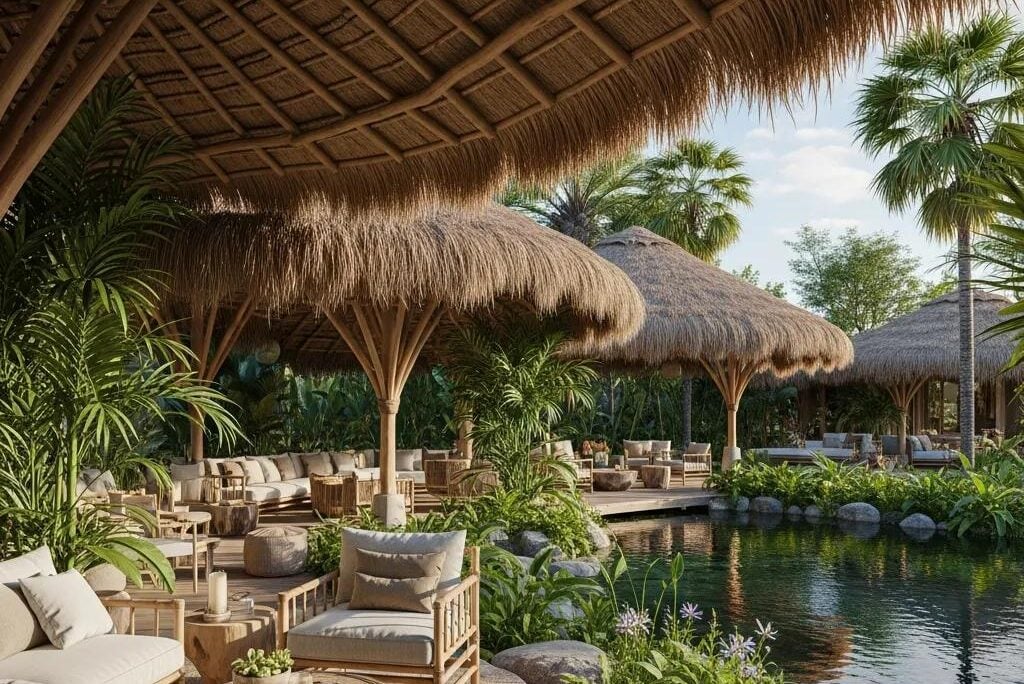
Sustainable Thatch Roofing Solutions for Outdoor Natural Resorts
Sustainable thatch roofing blends traditional aesthetics with contemporary eco-friendly practice, making it a strong option for outdoor natural resorts. This article compares natural and synthetic thatch, highlights design uses for patios and outdoor spaces, and outlines sustainable installation and upkeep. Understanding these trade-offs helps resort owners select thatch solutions that support guest experience and reduce environmental impact.
Key Benefits of Natural Thatch Roofing for Sustainable Resorts
Natural thatch is biodegradable, renewable, and can be sourced sustainably, lowering the carbon footprint compared with many conventional roofs. It provides strong insulation, helping regulate interior temperatures and reduce energy use. Visually, natural thatch creates a warm, site-sensitive atmosphere that appeals to eco-conscious guests, and with proper care it can be a cost-effective long-term choice.
How Does Natural Thatch Enhance Outdoor Patio Design?
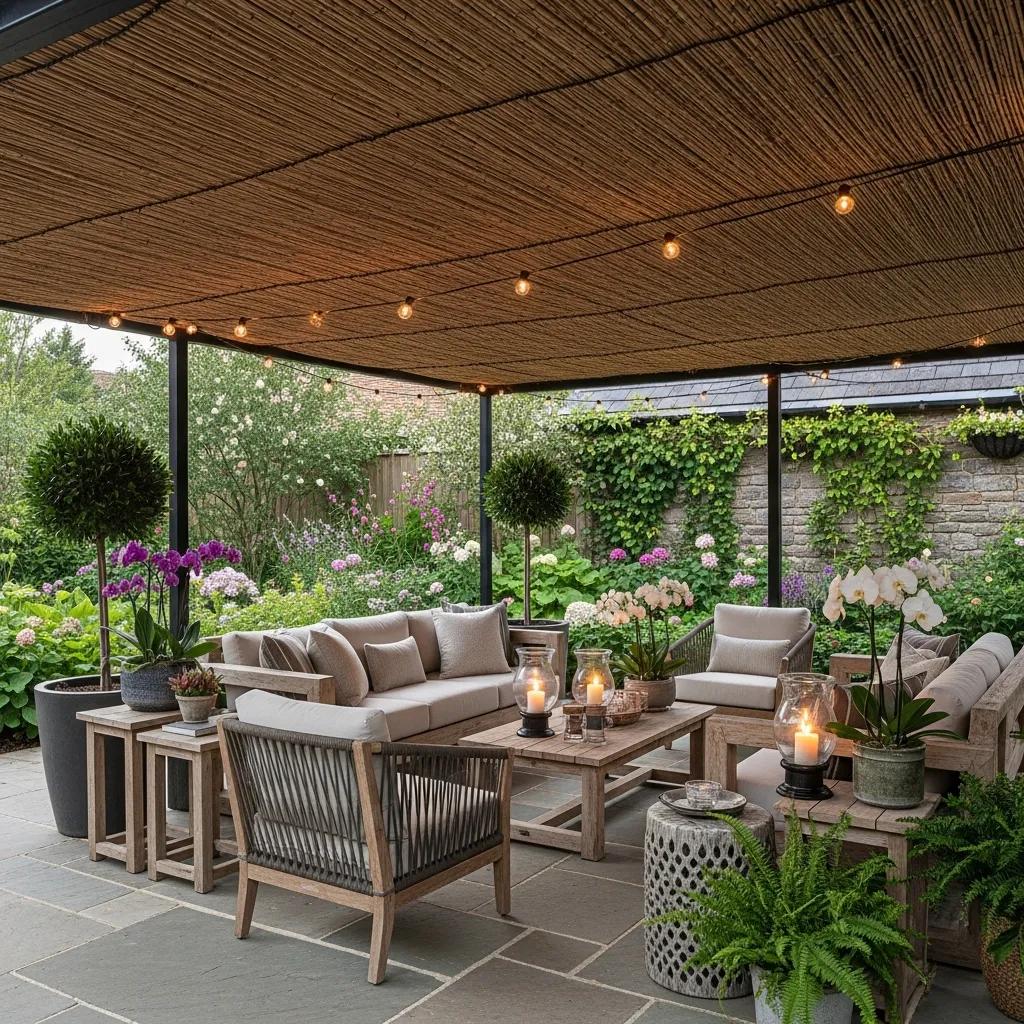
Natural thatch complements a wide range of architectural styles and helps patios feel integrated with surrounding landscapes. Its texture and color provide a cohesive, calming backdrop for seating and dining areas. Shaded, thatched patios encourage guests to linger outdoors, improving comfort and the perceived value of the resort’s exterior spaces.
How Do Synthetic Thatch Materials Improve Durability and Maintenance?
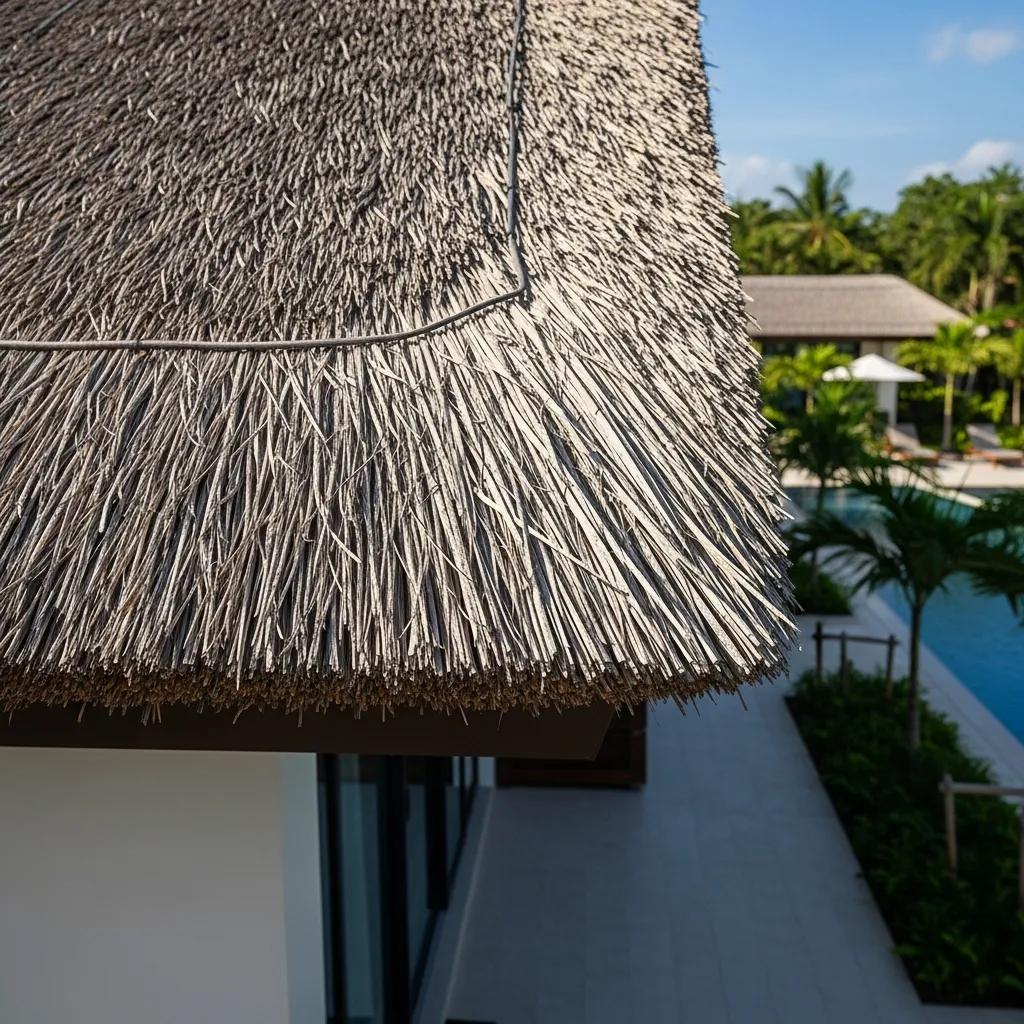
Synthetic thatch offers greater resistance to weather, mold, and pests and typically lasts longer than untreated natural thatch. Resorts benefit from more consistent appearance over time and lower routine upkeep, freeing staff to focus on guest services rather than frequent roof repairs.
What Are the Environmental Impacts of Synthetic Thatch Roofing?
Synthetic options can use recyclable polymers, which reduces landfill waste, but some manufacturing processes rely on non-renewable inputs. Choosing products made with recycled content and responsible production practices helps lower the overall footprint while retaining durability advantages.
What Are the Best Design Ideas for Outdoor Patios Using Thatch Roofing?
Design for patios should balance creativity and function. Consider these practical ideas:
- Open-Air Lounges
: Create inviting lounging zones with natural thatch roofs to provide shade while keeping an airy feel. - Dining Areas
: Use thatch over dining spaces to foster relaxed outdoor meals and memorable atmospheres. - Event Spaces
: Design multipurpose thatched event areas for weddings and gatherings to boost the resort’s appeal.
These approaches enhance aesthetics and strengthen guests’ connection with nature, supporting sustainable design goals.
How to Integrate Sustainable Materials in Resort Roofing Designs?
Successful integration depends on sourcing, contractor practices, and design fit. Follow these practical tips:
- Material Sourcing
: Prioritize locally available materials to reduce transport emissions and support regional supply chains. - Eco-Friendly Practices
: Engage contractors experienced in sustainable construction to ensure low-impact installation. - Design Compatibility
: Choose materials that harmonize with the resort’s aesthetic and site conditions.
Careful selection and installation help deliver durable, attractive roofs that align with environmental priorities.
Research further emphasizes the importance of utilizing local resources in sustainable resort development.
Local Materials for Sustainable Resort Design & Resource Management
AbstractIn recent times, there has been an increase in the global architecture and construction industry’s focus on sustainable and environmentally friendly practices. As a result, there is growing interest in using building materials that are readily available locally. This approach aims to minimise impact and create designs that reflect the cultural identity of a place. The purpose of this study is to explore the use of local building materials in the development of a resort centre situated in Gurara, Niger State. The design of this resort centre is intended to embrace the beauty of the region while preserving its heritage and promoting responsible resource management by conducting an analysis of accessible resources like earth, clay, stone, timber, and other indigenous materials.
UTILIZATION OF LOCAL BUILDING MATERIALS IN THE DESIGN OF A RESORT CENTRE IN GURARA,
NIGER STATE, ME ABDULRAHMAN, 2023
How Is Thatch Roof Installation and Maintenance Managed Sustainably?
Proper installation by skilled teams and the use of quality materials extend the life of thatched roofs and reduce waste over time. Best practice installation protects against leaks and accelerates performance, while planned maintenance prevents small issues from becoming major repairs.
Regular inspections, timely patching, and an organized maintenance schedule preserve integrity and appearance. When resorts prioritize sustainable installation and upkeep, they secure the long-term benefits of thatch while minimizing environmental impact.
What Are the Cost Considerations for Sustainable Thatch Roofing?
Initial costs for thatch can be higher than some conventional materials, but long-term life span and improved energy performance often offset the investment. Properly maintained natural thatch can endure decades, and synthetic systems can last longer with less frequent intervention.
Resort owners should run a cost analysis that includes lifespan, maintenance intervals, and energy savings to determine the most cost-effective option for their site.
| Material Type | Lifespan | Maintenance Frequency | Cost |
|---|---|---|---|
| Natural Thatch | 20-30 years | Every 5-8 years | Moderate |
| Synthetic Thatch | 30-50 years | Every 10-15 years | Higher initial cost |
The table highlights key trade-offs to help resorts choose the right material based on budget, maintenance capacity, and sustainability priorities.
Conclusion
Sustainable thatch roofing — natural or synthetic — can enhance resort aesthetics while supporting environmental goals. By balancing material choice, sustainable sourcing, careful installation, and a sound maintenance plan, resorts can achieve durable, attractive outdoor spaces that appeal to guests and align with sustainability commitments.